

Some of the most popular tourist spots in Cairo are in Old Cairo, which is the city’s historical center and where modern Cairo got its ideas. People first lived in the area that is now called Old Cairo in 2000 B.C. This area is important in history because it was where the ancient canal that connected the Nile River and the Red Sea began. Even though the Nile’s water level has gone down, Old Cairo still has a lot of interesting old buildings. Many of the sights on the Coptic Cairo viewing tour were built by the Greeks and Romans a long time ago. During this time, the Babylon fortress was built because it was thought to be the physical line between Upper Egypt and Lower Egypt.
Here are some of the best things to see and do in Old Cairo:
Al-Moez Al-Din Allah Street
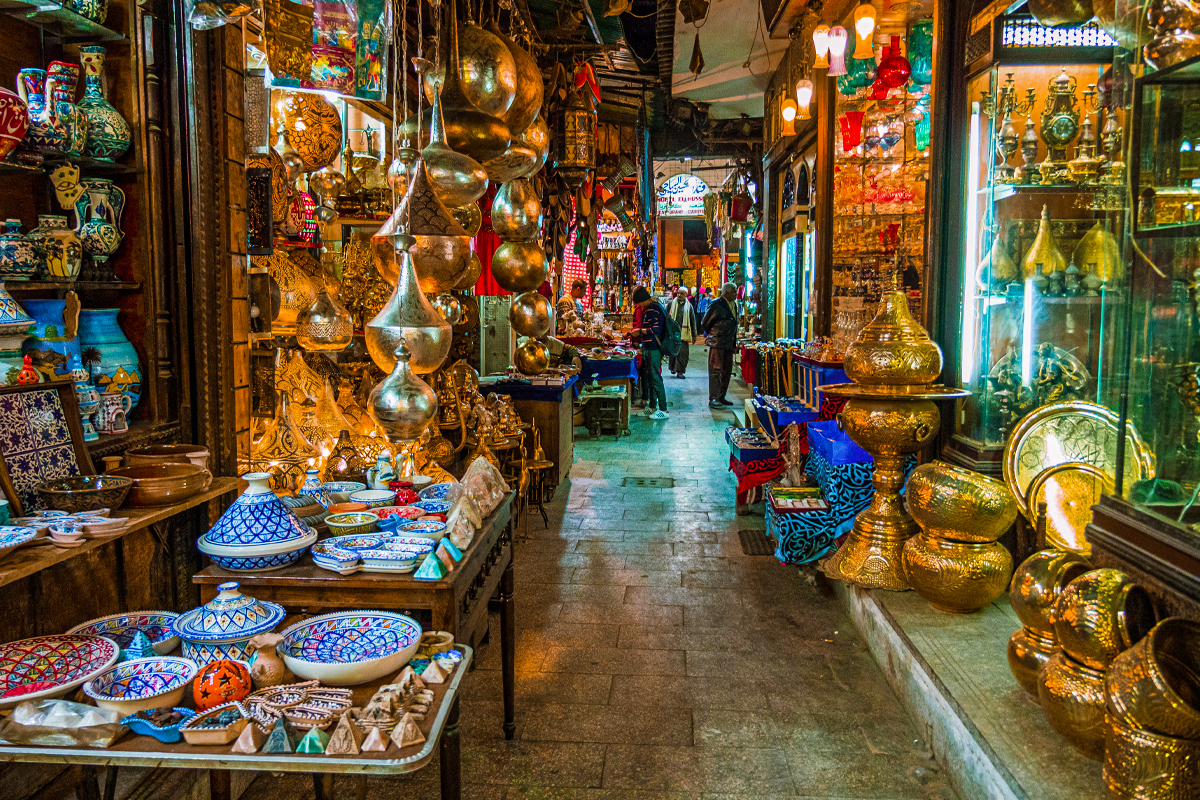
If you are looking to experience both the history of Islamic Cairo and the modern buildings along with the ancient sights, Muizz Street is the best place to visit. Among the most famous landmarks that should not be missed while visiting Al-Muizz Street:
Al Aqmar Mosque

It is one of the oldest and most well-known buildings in the Old Cairo area. The front of the building is set back from the street, which is just one example of its interesting design. All of the other buildings in the area lean in one direction, but the mosque leans in the opposite direction, which makes it stand out. The qibla, the direction that Muslims should face when they pray, is also pointed in the same direction as the mosque.
Sultan Al Mansur Qalawun Mosque
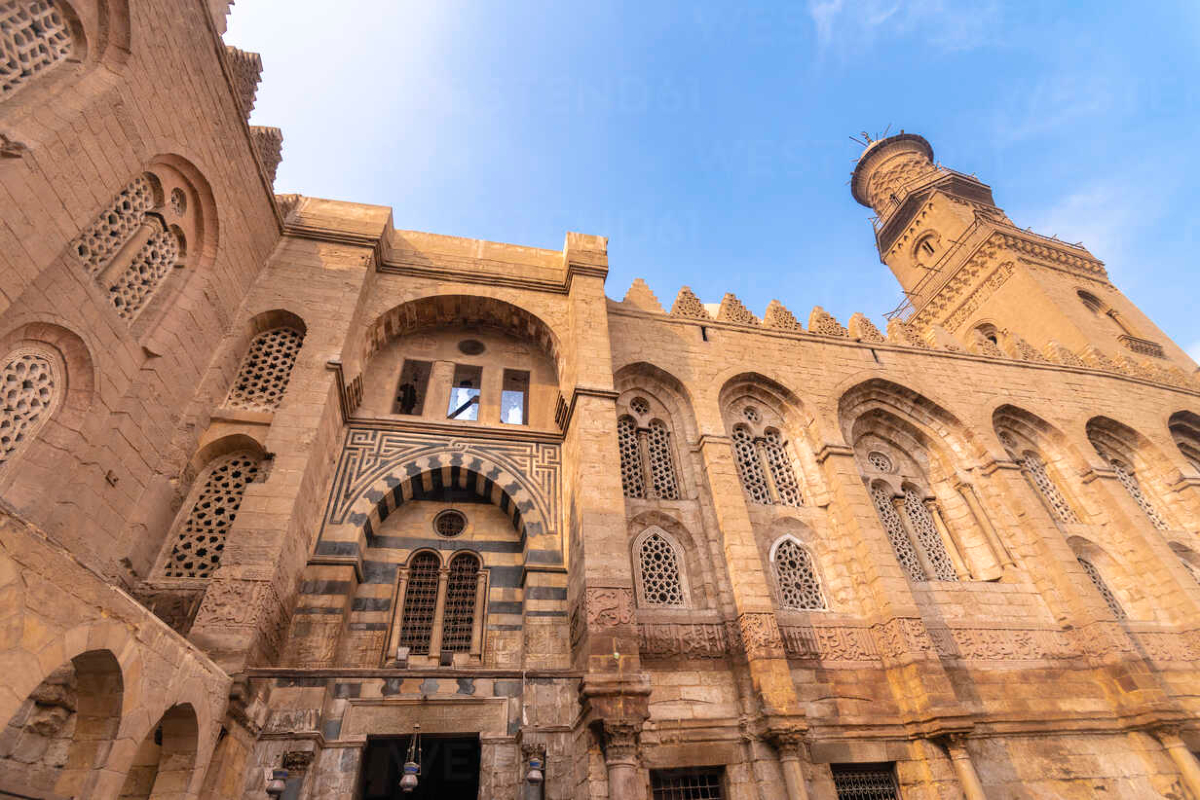
The mosque was built in the most Muslim part of Cairo. The complex is made up of a tomb, a mosque, a madrasa, and a maurista. The Maurita was torn down in 1920 to make room for a new hospital. The windows of the complex are made in a way that reminds me of the Gothic style, which was popular when Sultan Qalawun was in charge.
Salah El-Din Citadel

As an Iraqi scholar, Salah el-Din knew a lot about many different things. He knew a lot about law, the Quran, religion, astronomy, and math. He made his first appearance in the world at Tikrit around the year 1137. Asad-al-Din Shirkoh was his uncle. He was a soldier and later became the ruler of the Zengid dynasty. He learned a lot from him in both fields.
Salah ad-Din was able to move up in the military and become a leader because of how well he did on the battlefield. His success in past battles made it possible for him to get this chance. Because of his great skills and well-thought-out plans, he went from being a soldier to becoming King in both Egypt and Syria. He used his power to get rid of the Fatimid dynasty in Egypt and stay in charge.
The Citadel was the city’s main defense. It was built on top of the steep, rocky hills that surrounded the city. Saladin’s Citadel was finished in 1183 AD and was the capital of Egypt until Khedive Ismail moved the capital to Abdeen Palace in the 1870s.
After it was built to protect against the Crusaders, the Citadel grew under the rule of many kings and queens. The Citadel was more than just a landmark; it was also the city’s main line of defense against the nearby mountains. Also, for about a thousand years, the Citadel was the center of the Egyptian government. In 1870, Khedive Ismail moved the seat of government to the Abdeen palace in the center of Cairo.
Mohamed Ali Mosque

Many Egyptians think that Mohammad Ali was one of the most important people in Egypt’s history. In 1805, he was recognized as the Khedive of Egypt and Sudan for the first time. During the French occupation of Egypt from 1798 to 1801, his ancestors took power and ruled until the free officers started a revolution in 1952.
Mohamed Ali built one of the most impressive buildings in all of Cairo, and it is still there today. The father built the Alabaster Mosque to honor his son, who had left for college. Even from the top floors of the building, it is easy to see the mosque. As part of Muhamed Ali’s palace, the Citadel is also home to a number of museums. These include the National Military Museum, which shows military costumes and equipment from that time, as well as a museum about the history of police and many others.
Make plans now to visit the Citadel and Old Cairo.
Amr Ibn Al Aas Mosque

Many people believe that Amr ibn al-Aas is one of the most important figures in the history of Egypt because he introduced Islam in the country. He built Fustat, north of the stronghold of Babylon. On the territory of the ancient city of Fustat, you can still see the beautiful Mosque of Amr ibn al-Aas. The mosque has been so heavily repaired that nothing remains of the original building. But the oldest mosque in Egypt and all of Africa is the Amr ibn al-Aas mosque.
One of the most interesting stories about how the Amr ibn al-Aas Mosque was built is about a pigeon that built a nest on top of the general’s tent while the troops were sleeping outside the city. At the time the army was preparing to go to Alexandria, which was the capital of Egypt during the Greco-Roman era. After the Islamic army took over all of Egypt and took control of Alexandria, Caliph Umar wanted to establish a new capital closer to Medina.
Amr ibn al-Aas told the man to leave his tent because he believed that the dove’s nest showed that this was what God intended. Amr ibn al-Aas ordered the people to build a mosque where the tent used to be, so this is where it is now. Fustat, the new Islamic center in Egypt, grew up around this mosque, and it became the most famous building in the city. Major General Amr Ibn Al-Aas named the first mosque in Egypt and all of Africa. It was built in the year 642.
Check out our Islamic tour of Cairo if you want to learn more about the history of Islam in Egypt.
Mosque and Madrasa of Sultan Hassan
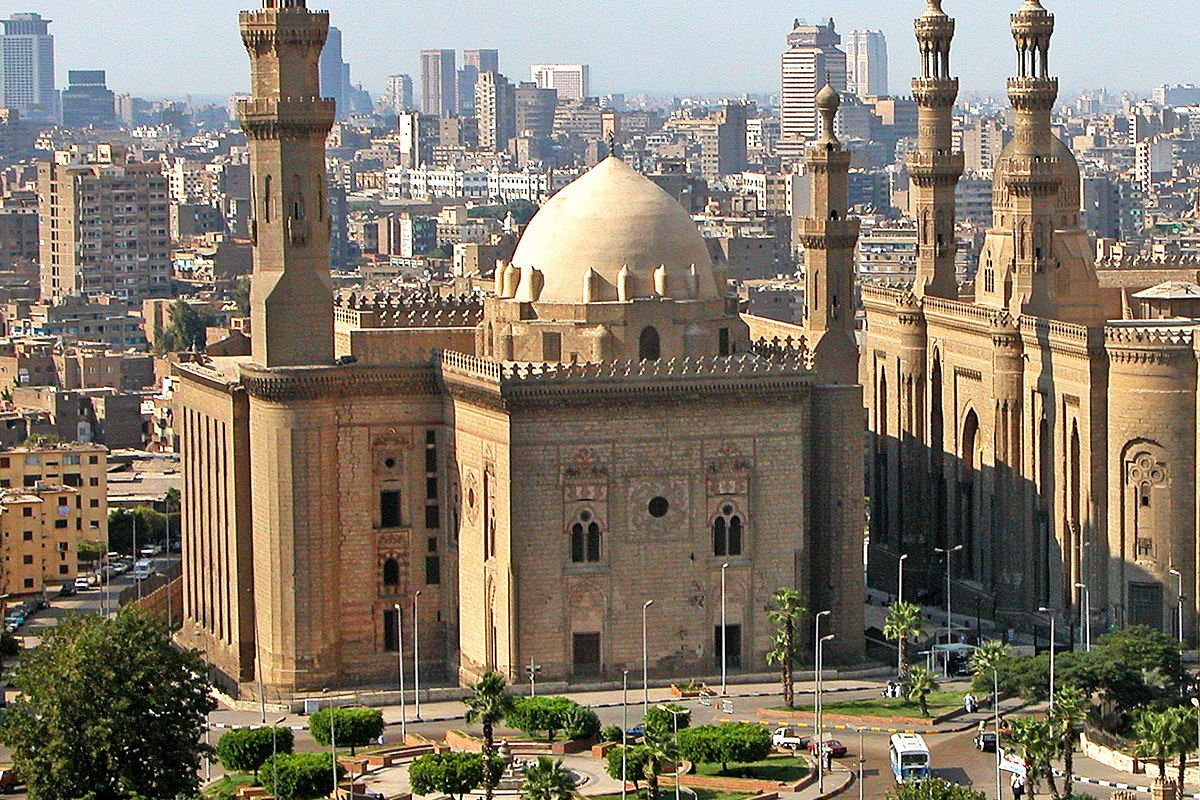
The mosque was built by the Mamluks and was finished in the 1400s. It is a beautiful example of Mamluk architecture. Even though it was already impressive for its time because of its huge size, the mosque still makes a big impression on people today because of its beautiful architecture and elegant design.
Sultan Hassan honored himself by having a mosque named after him built in Old Cairo. He gave Prince Muhammad bin Public Al-Mohsani the job of overseeing the building. Putting together the mosque took four years and a lot of work with stones and bricks. When the mosque was built, the neighborhood was called Souk al-Khail or just Souk al-Khail.
Many people think that this mosque is the best piece of Islamic architecture that has ever been built. The Sultan Hassan Mosque is like the pyramids of Giza from the time when Egypt was an Islamic country. The inside of the mosque is very fancy, and it was built around a large, symbolic courtyard. The mosque is not only the biggest but also the most well-known of all the old mosques in the city.
The Coptic Museum in Cairo
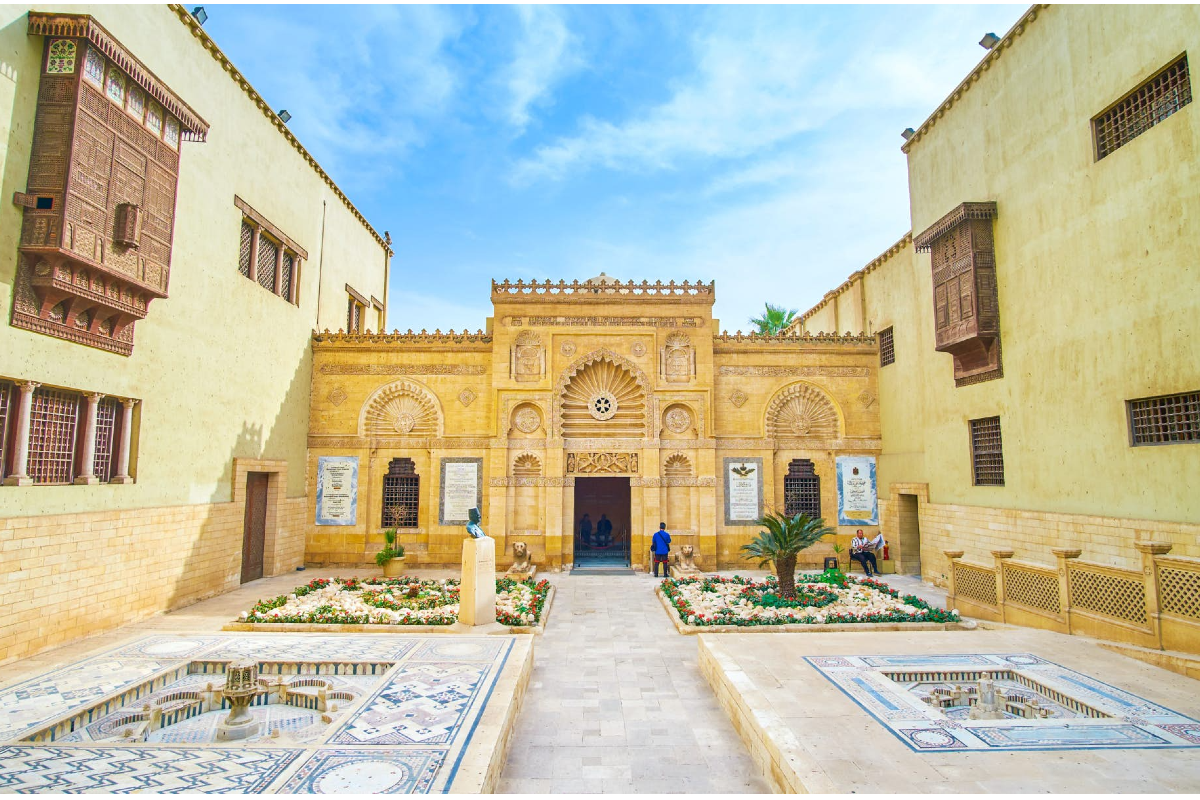
Coptic Cairo is a fascinating neighborhood in Old Cairo that you should not miss. Between the fall of Pharaonic Egypt and the rise of Islam, the area that is now called Coptic Cairo was full of beautiful Christian churches and other landmarks. Most of Coptic Cairo was built on what was left of the Babylon fort.
The Coptic museum has a collection of artifacts from the early days of Coptic Egypt that are worth a lot of money. Most people agree that it has the largest collection of Coptic Christian artifacts in the world. As far as visitors are concerned, the main point of the museum is to show how Christianity grew in Egypt.
By the time Islam came to Egypt in the 7th century, Coptic Christianity was already the most popular religion there. It had grown quickly while the Romans were in charge. It opened in 1910 and has records of Coptic history from when Christianity came to Egypt to when it was ruled by the Ottoman Empire. Other pieces of art in the museum show how ancient Egypt, the Ottoman Empire, Byzantium, Rome, and Greece have shaped their cultures.